Your first day hike is a chance to learn what pace, terrain and equipment work for you. Start with a marked, maintained route that matches your current ability. This article covers a straightforward day walk; it is not a route guide for snow, scrambling, remote travel or technical terrain.
Define the outing before the distance
Decide who is going, how much daylight is available and what kind of walking the group enjoys. Distance alone is an incomplete description of effort. Ask about elevation gain, surface, exposure and the condition of the return route.
The National Park Service emphasizes planning ahead and consulting the destination’s current guidance. Check the land manager’s alerts, access information and forecast close to departure. A route that looks short on a map may still be inappropriate when conditions change.
Prepare a plan you can explain
Write down your start point, intended route, turnaround point and expected return. Share those details with a reliable person and explain what to do if you are overdue. Decide in advance how you will handle a closed trail or slower progress.
Download the necessary map before leaving service and learn how to interpret it. The NPS Ten Essentials includes navigation, extra clothing, light, first aid, food, water, tools, sun protection, emergency shelter and fire supplies where appropriate and lawful. Adapt those systems to the place and outing rather than treating a checklist as a guarantee.
Follow a simple hiking routine
- At the trailhead, read signs and compare your planned route with the current information.
- Start at a pace that lets the least experienced person settle in. Keep the group together.
- At signed junctions, stop and confirm the next section rather than relying on momentum.
- Reassess your turnaround plan against daylight, weather and how the group feels. Reaching the endpoint is optional.
- When you finish, tell your trip contact that you have returned.
Equipment to organize
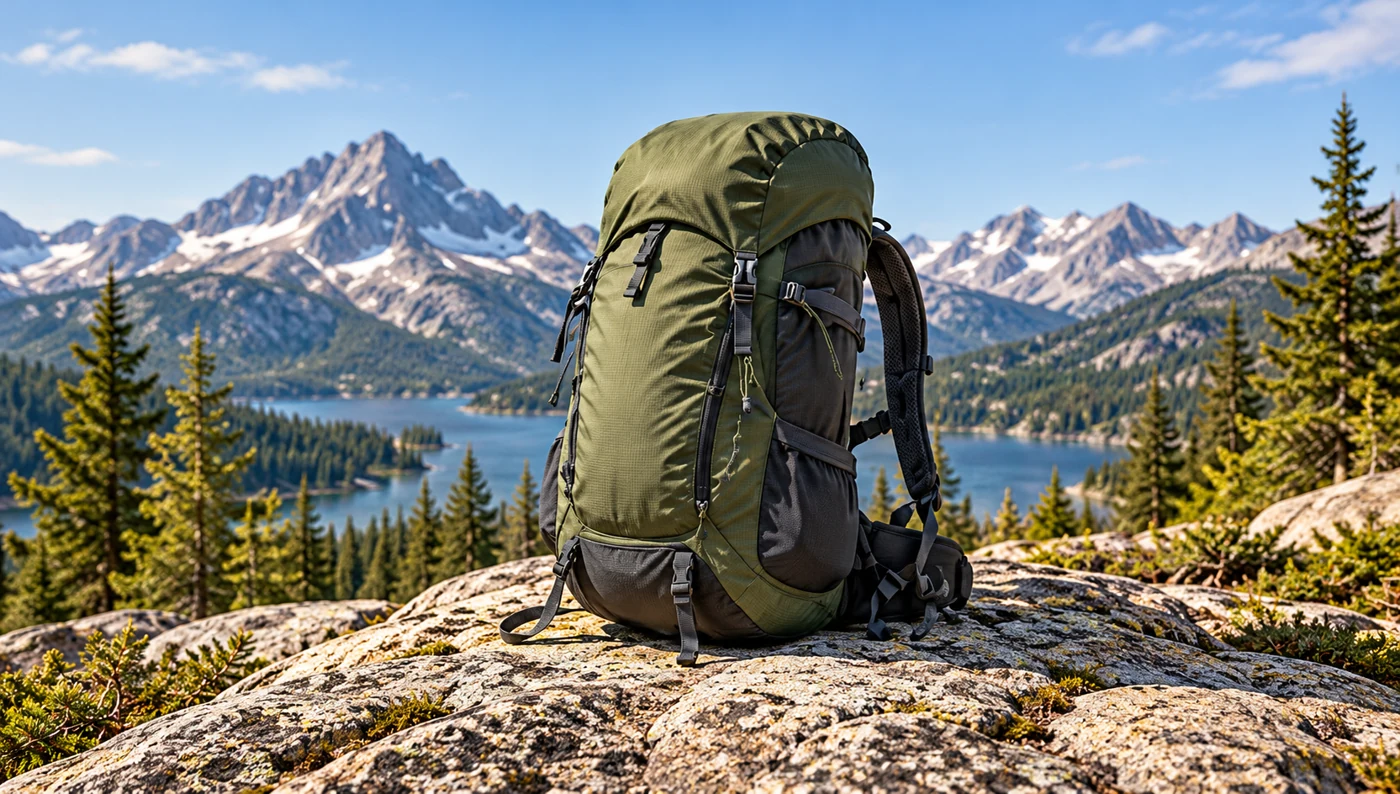
- A comfortable pack that holds your trip-specific essential systems.
- Familiar footwear, suitable layers and weather protection.
- A usable map and navigation tools you know how to operate.
- Water, any necessary treatment supplies, food and extra provisions for a delay.
- Headlamp and spare power; basic first aid and personal medication.
- Sun protection and an emergency shelter appropriate to the environment.
Mistakes to avoid
Do not make the outward journey the whole plan. The return walk still needs time, attention and energy. Turning around early is a useful decision, not a failed outing.
Avoid introducing several unfamiliar items at once. Walk locally in your footwear and carry a loaded pack before the trip. Use that rehearsal to adjust straps and decide where frequently used items belong.
A phone photograph is not a reason to step into fragile vegetation or continue onto unfamiliar terrain. Stay on the managed route and follow local rules.
Use the first hike as a baseline
Afterwards, record what the route felt like, how your pack carried and where you wanted a break. Choose the next outing from those observations. Increase complexity gradually instead of adding distance, steepness and remoteness all at once.
Sources & verification
Sources checked October 21, 2026. Specifications and general guidance can change; consult the current source for the exact product or destination.
- National Park Service — Hiking Safety
- REI — Hiking for Beginners
- National Park Service — Ten Essentials
Written with AI assistance. Original editorial explanations; no claimed personal field experience. Editorial policy · Suggest a correction